
frosted glass specifications
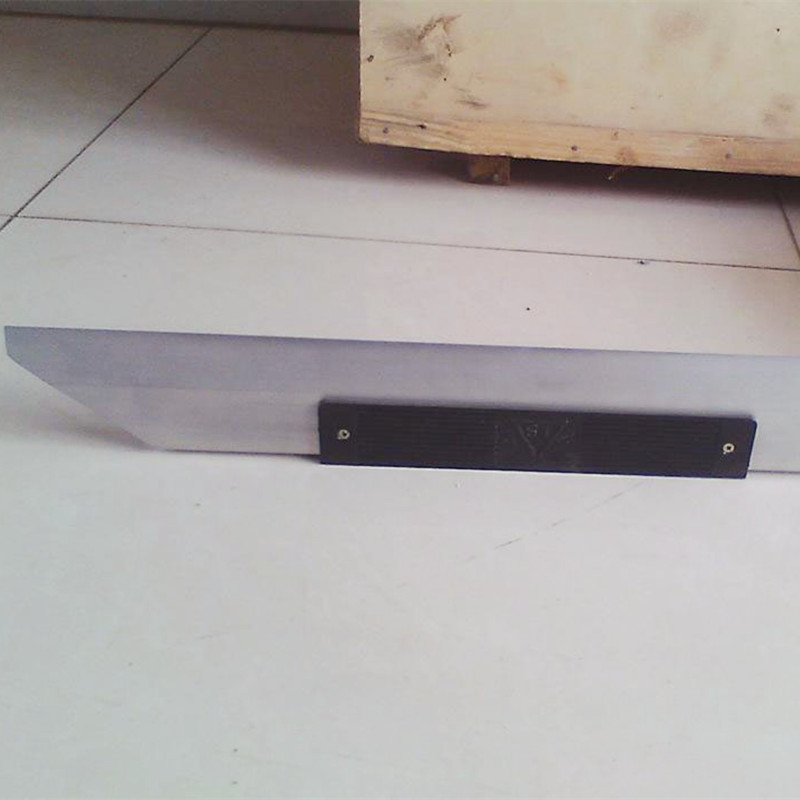
The Importance of High Precision Spirit Levels in Various Applications High precision spirit levels are essential tools in many fields, from construction to fine arts. These instruments, commonly known as bubble levels or spirit levels, are designed to measure horizontal and vertical surfaces with extreme accuracy. While traditional spirit levels have been integral to various trades, the advent of high precision models has elevated their importance and applicability, allowing professionals to achieve unprecedented results. One of the primary advantages of high precision spirit levels is their ability to ensure accuracy in construction and engineering. In these industries, a small error in alignment can lead to significant structural issues. High precision spirit levels are crucial for tasks such as leveling foundations, installing cabinetry, and setting up machinery. Their enhanced accuracy minimizes the risks of misalignment, which can save both time and money during the construction process. In addition to construction, high precision spirit levels find their place in the world of woodworking. Carpenters rely on these instruments to create fine furniture and intricate designs . The level of detail required in woodworking means that even a slight deviation can compromise the aesthetic and functional aspects of a piece. By using high precision spirit levels, woodworkers can ensure that their projects meet exacting standards, leading to higher quality craftsmanship and customer satisfaction. high precision spirit level The technology behind high precision spirit levels has also evolved significantly. Modern instruments often incorporate features such as digital readouts, which provide measurements in real-time, and built-in sensors that enhance accuracy. These technological advancements enable users to verify levels quickly and precisely, making the tools even more indispensable in modern applications. The ease of use and rapid feedback also makes these levels attractive to DIY enthusiasts who desire professional results in their home improvement projects. High precision spirit levels are not limited to construction and woodworking; they also play a vital role in the field of photography and videography. Ensuring that a camera is perfectly level is essential for achieving the desired composition and perspective in both photography and videography. High precision spirit levels help photographers and videographers achieve stability in their shots, thereby enhancing the quality of their work. By ensuring that backgrounds are straight and horizons are level, these tools contribute significantly to the professional appearance of visual media. Moreover, the use of high precision spirit levels extends to scientific applications as well. In laboratories and research facilities, the accurate leveling of equipment can be critical to obtaining valid results. High precision spirit levels are used to set up instruments and apparatus that require precise alignment, ensuring that experiments produce reliable data. This level of accuracy is particularly important in fields such as physics and engineering, where slight misalignments could skew results. In conclusion, high precision spirit levels are indispensable tools across various industries, enhancing accuracy and quality in construction, woodworking, photography, and scientific research. With advancements in technology, these levels have become more user-friendly and precise, enabling professionals and enthusiasts alike to achieve superior results. As the demand for accuracy and quality continues to grow in numerous applications, the importance of high precision spirit levels will only increase, solidifying their place as essential instruments in both professional and hobbyist settings. Whether you are a builder, a craftsman, or a photographer, investing in a high precision spirit level is sure to elevate your work to the next level.
about
frosted glass specifications
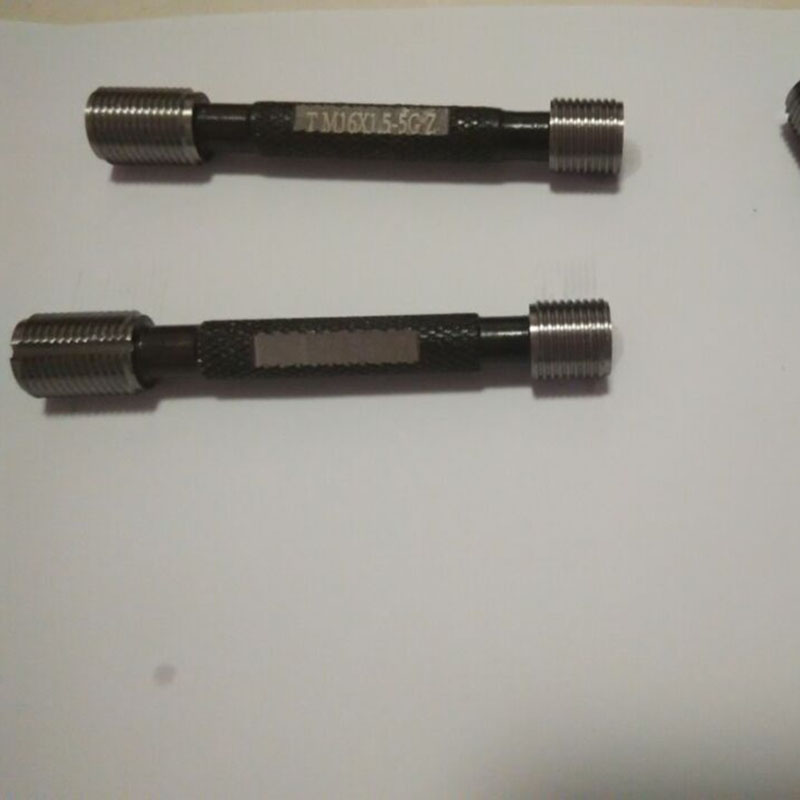
Understanding the 1% 4% 20% Thread Gage A Comprehensive Overview In the world of engineering and manufacturing, precision is critical. One of the vital tools that ensure threads meet required specifications is the thread gage. Among the many types available, the 1% 4% 20% thread gage is particularly noteworthy for its effective measurement capabilities. This article will delve into the significance, application, and implications of using this specific thread gage in various industries. What is a Thread Gage? A thread gage is a tool used to measure the size, pitch, and depth of threads on screws, nuts, and other fasteners. When a thread gage is employed, it can help in determining whether the threads are within the tolerances specified by engineering standards. Different types of thread gages are available, including plug gages, ring gages, and thread pitch gages, and each serves a unique purpose. The 1% 4% 20% Thread Gage Explained The term 1% 4% 20% in the context of thread gages typically refers to the statistical quality control framework used to assess the acceptable limits of tolerances in thread manufacturing. This principle is often grounded in the Six Sigma methodology, which aims to improve the quality of process outputs by identifying and removing causes of defects and minimizing variability. 1. 1% Tolerance This level indicates that only 1% of the production can fall outside of the specified tolerance range. It highlights the importance of maintaining extremely tight tolerances, crucial in high-performance applications where even the slightest misalignment can lead to catastrophic failures. 2. 4% Tolerance At this level, 4% of the products can be permissible deviations from the norm. This tolerance is often suitable for parts that are less critical but still require a robust measurement system to ensure performance and reliability over time. 3. 20% Tolerance With a broader tolerance of 20%, this standard might be applicable in applications where precision is less critical, allowing for easier manufacturing processes while still maintaining a baseline quality. This could be useful in less demanding assemblies where high-strength materials mitigate risks. Applications of the 1% 4% 20% Thread Gage The use of the 1% 4% 20% thread gage spans various industries, including 1 4 20 thread gage - Aerospace In this highly regulated field, thread precision is paramount. A slight defect could threaten the safety of an aircraft. Employing a 1% tolerance ensures that components meet stringent performance standards. - Automotive In the automotive sector, parts must endure extreme conditions, from temperature fluctuations to mechanical stress. Using these gages allows manufacturers to provide reliable materials that stand the test of time. - Manufacturing For general manufacturing, utilizing a 4% or 20% tolerance can enhance productivity. It empowers manufacturers to achieve a balance between efficiency and quality, allowing for cost-effective production without sacrificing essential standards. Benefits of Utilizing 1% 4% 20% Thread Gages 1. Quality Assurance Incorporating these gages into a quality assurance process minimizes defects and variances in production, ensuring that products consistently meet established specifications. 2. Cost Efficiency By identifying potential faults early in the production line, companies can reduce waste and save costs related to rework and scrap materials. 3. Enhanced Safety In critical applications where human lives are at stake, ensuring high-quality components through rigorous testing with thread gages can significantly enhance overall safety. 4. Regulatory Compliance Many industries are subject to regulatory standards that specify the required tolerances for components. Using these gages can help organizations stay compliant and avoid legal complications. Conclusion In conclusion, the 1% 4% 20% thread gage serves as an essential tool in various sectors that require high levels of precision in threaded components. By understanding and applying these standards, manufacturers can ensure quality, safety, and efficiency in their production processes. As technology advances, the importance of such measurement tools will only grow, cementing their place in the future of manufacturing and engineering.
-

High quality industrial productsagement

High quality industrial products
View Details -

Meet the diverse needs of customers

Meet the diverse needs of customers
View Details -

Strict quality control

Strict quality control
View Details -

Top raw materials

Top raw materials
View Details -

Trusted supplier

Trusted supplier
View Details
Our application


news and information
Versatile 3D Welding Table for Precision Fabrication and Efficient Workflow Solutions
The Advantages of a 3D Welding Table in Modern Fabrication In today’s fast-paced manufacturing envir

Welding Tables Available for Purchase at Competitive Prices
welding tables for sale .
Y Type Strainer Filter for Efficient Fluid Filtration Solutions
Understanding Y-Type Strainer Filters A Comprehensive Guide In various industrial applications, main
 English